

Skip to content
Small Business UK

Small Business UK

Advice and Ideas for UK Small Businesses and SMEs

  • Subscribe Now
  • facebook
  • x
  • linkedin
  • RSS
  • Start
    • Start a New Business
    • Startup Funding and Grants
    • Sole Trader
    • Banking
    • Getting Online
  • Run
    • Customer Engagement
    • Employing & Managing Staff
    • Insurance
    • Marketing
    • Payments
    • Accounting
    • Tax
  • Grow
    • Funding Your Business
    • Grants
    • Alternative Finance
    • Import & Export
    • Buying & Selling a Company
  • News
  • Get Small Business Funding
  • Making Tax Digital
  • More
    • Popular Topics
      • Advice
      • Business Loans
      • Business Management
      • Crowdfunding
      • Funding
      • Ideas & Planning
      • International Business
      • Franchising
      • Legal Advice
      • Office & Homeworking
      • Payroll
      • Productivity
      • Setting up a Company
      • Success Stories
      • Technology
      • Work Life Balance
    • Guides
      • Whitepapers & Downloads
      • Partner Content
      • Business car leasing
      • Small business insurance
    • Business Tools
      • Compare business bank accounts
      • Website Checker
    • Partners
      • British Small Business Grants
      • Events
      • Masterclass Series
      • Smart Energy GB
      • The Start-Up Series
    • Multi-Media Content
      • Galleries
      • Podcasts
      • Videos
    • Memberships
      • Business Essentials
      • Pro
      • Earn with us
  • Start
    • Start a New Business
    • Startup Funding and Grants
    • Sole Trader
    • Banking
    • Getting Online
  • Run
    • Customer Engagement
    • Employing & Managing Staff
    • Insurance
    • Marketing
    • Payments
    • Accounting
    • Tax
  • Grow
    • Funding Your Business
    • Grants
    • Alternative Finance
    • Import & Export
    • Buying & Selling a Company
  • News
  • Get Small Business Funding
  • Making Tax Digital
  • More
    • Popular Topics
      • Advice
      • Business Loans
      • Business Management
      • Crowdfunding
      • Funding
      • Ideas & Planning
      • International Business
      • Franchising
      • Legal Advice
      • Office & Homeworking
      • Payroll
      • Productivity
      • Setting up a Company
      • Success Stories
      • Technology
      • Work Life Balance
    • Guides
      • Whitepapers & Downloads
      • Partner Content
      • Business car leasing
      • Small business insurance
    • Business Tools
      • Compare business bank accounts
      • Website Checker
    • Partners
      • British Small Business Grants
      • Events
      • Masterclass Series
      • Smart Energy GB
      • The Start-Up Series
    • Multi-Media Content
      • Galleries
      • Podcasts
      • Videos
    • Memberships
      • Business Essentials
      • Pro
      • Earn with us
  • Subscribe Now
Home » Running a Business » Business management » Hazardous waste management for small businesses

Hazardous waste management for small businesses

Here's what you need to know about hazardous waste management

Richardby Richard Walker1 November 2018

Richard Walker, marketing manager of Reconomy, offers up some guidance on hazardous waste management for your small business.

You have a duty to manage all hazardous waste that is produced by your firm, whether you’re a large or a small business.

A failure to meet this requirement could result in harm to both human health and the environment.

Firstly, let’s clarify what forms hazardous waste can take. It can be anything solid, liquid, sludge or gaseous that has the potential to cause harm.

It can be a problem in its own right, but it can also contaminate surfaces and groundwater supplies. As a result, the government has issued strict guidelines for the monitoring and execution of a proper hazardous waste management system within businesses.

Richard Walker of Reconomy, an eight-yard skip hire provider, explores these guidelines in more depth.

Types of waste

If you produce or store hazardous waste, in the government’s eyes, you are responsible for its care and monitoring. This means you need to be aware of the type of waste and be able to identify its needs.

“Waste is classed as hazardous if it is harmful to either humans or the environment”

Waste is classed as hazardous if it is harmful to either humans or the environment. Some common examples of hazardous waste include:

  • Pesticides
  • Asbestos
  • Batteries
  • Equipment with ozone depleting substances, like fridges
  • Oils
  • Solvents
  • Chemicals like brake fluid and printer toner

Substances such as the above should be separated from any other waste your business creates. This is because it could contaminate general waste, as well as needing specialist handling of its own.

How to store waste

Ideally, you will not need to store a vast amount of waste. You should be seeking ways to limit the amount of waste your company produces, particularly hazardous waste. But for the waste that can’t be avoided, we can separate them into four sub-categories:

  • Agriculture
  • Construction
  • Demolition
  • Industry

Any hazardous waste should be stored in a secure manner that prevents any of the waste leaking or escaping. All hazardous waste needs to be labelled so that it is clear to anyone on-site that the contained waste is harmful.

To prevent contamination, waterproof covers are a must, as these will stop hazardous waste being washed across the floor and seeping into other areas.

Keep each type of hazardous waste separately stored; liquids should be secured with a bund or barrier as a defence against any leaks or spills. Check the containers regularly for any signs of damage or risk to employees or the environment.

Also, keep a record of the hazardous waste you have on-site with a classified inventory. Should any incident occur, such records can be vital for the emergency services to refer to in order to handle the situation.

Maintaining records

If your hazardous waste is being collected, ensure you complete a consignment note. This should be done prior to the waste leaving your facility.

You need a consignment note for:

  • Moving waste between two premises within the same business
  • Collections from registered waste carrier businesses
  • In the event another business has produced waste on-site, movements from customer premises

You do not need a consignment note for:

  • Moving domestic hazardous waste (excluding asbestos)
  • Waste that has been exported or imported under international waste shipment controls and needs a different note

Descriptions for hazardous waste

When filling out a consignment note, you needed to fill in details regarding the waste. This is so that the approved waste handlers can safely remove the contents.

Waste description

Write a full description of each type of waste you require to be removed.
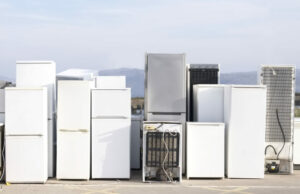
You'll need to fill out your consignment form with exactly what waste you have

Quantity

Fill in the total weight (in kilos) of the hazardous waste. Liquids should be converted to the appropriate volumes of measurement.

Chemical components

Identify chemical and biological compositions of the waste you need removing.

Physical form

State if the waste is gas, liquid, solid, powder, sludge or mixed.

With the consignment note filled in, you will finally need to pay for it. The cost is £10 for a single collection in England and Wales. If the collection is part of multiple collections (a milk round), then each note is £5. For Scotland and Northern Ireland, the cost is £15 per note.

See also: Ten tips to reduce waste

Tagged: Small Business Legal Issues
Richard

Richard Walker

Richard Walker is marketing manager of Reconomy. More by Richard Walker

Related Topics

Small Business Legal Issues

Related Stories

Business management

The hidden risks of outsourcing – contractor safety regulations SMEs shouldn’t ignore

The safety of contractors is more of a responsibility for you than you might realise. This is what you must know before you start outsourcing

Business management

2025 for small businesses and what’s coming up in 2026

From financial statements to changing thresholds to price increases, we bring you the key events from 2025

Business management

5 small businesses from Christmas films – and their performance appraisals

We're casting an analytical eye over everyone's favourite Christmas films – but with a business twist. Read on to see if you agree

Business management

The new life of shipping containers – how businesses across the UK are repurposing containers

Small business owners are repurposing shipping containers. In this article we'll be delving into the why and the how

Helping you grow your business is our number one priority, if you would like to take your business to the next step just sign up!

sign up now

Related Stories

Business management

The hidden risks of outsourcing – contractor safety regulations SMEs shouldn’t ignore

The safety of contractors is more of a responsibility for you than you might realise. This is what you must know before you start outsourcing

Business management

2025 for small businesses and what’s coming up in 2026

From financial statements to changing thresholds to price increases, we bring you the key events from 2025

Business management

5 small businesses from Christmas films – and their performance appraisals

We're casting an analytical eye over everyone's favourite Christmas films – but with a business twist. Read on to see if you agree

Business management

Pros and cons of employee ownership trusts (EOTs)

In this article, we explain what an employee ownership trust is along with the pros and cons of moving to this model

SmallBusiness.co.uk provides advice and useful guides to UK sole traders and small businesses. Our goal is to help owner managers and entrepreneurs to start, run, grow and succeed in business, helping turn your business idea into a profitable business.

Further Information

  • Contact Details
  • Privacy Policy
  • Terms & Conditions
  • Blog
  • About this Website
  • Media Packs
  • Contributor guidelines
  • Small Business Whitepapers

Manage my preferences

  • Edit preferences

Contact us

  • +44(0) 207 846 1378

Address

  • Stubben Edge
  • 77 Cornhill
  • London
  • EC3V 3QQ