

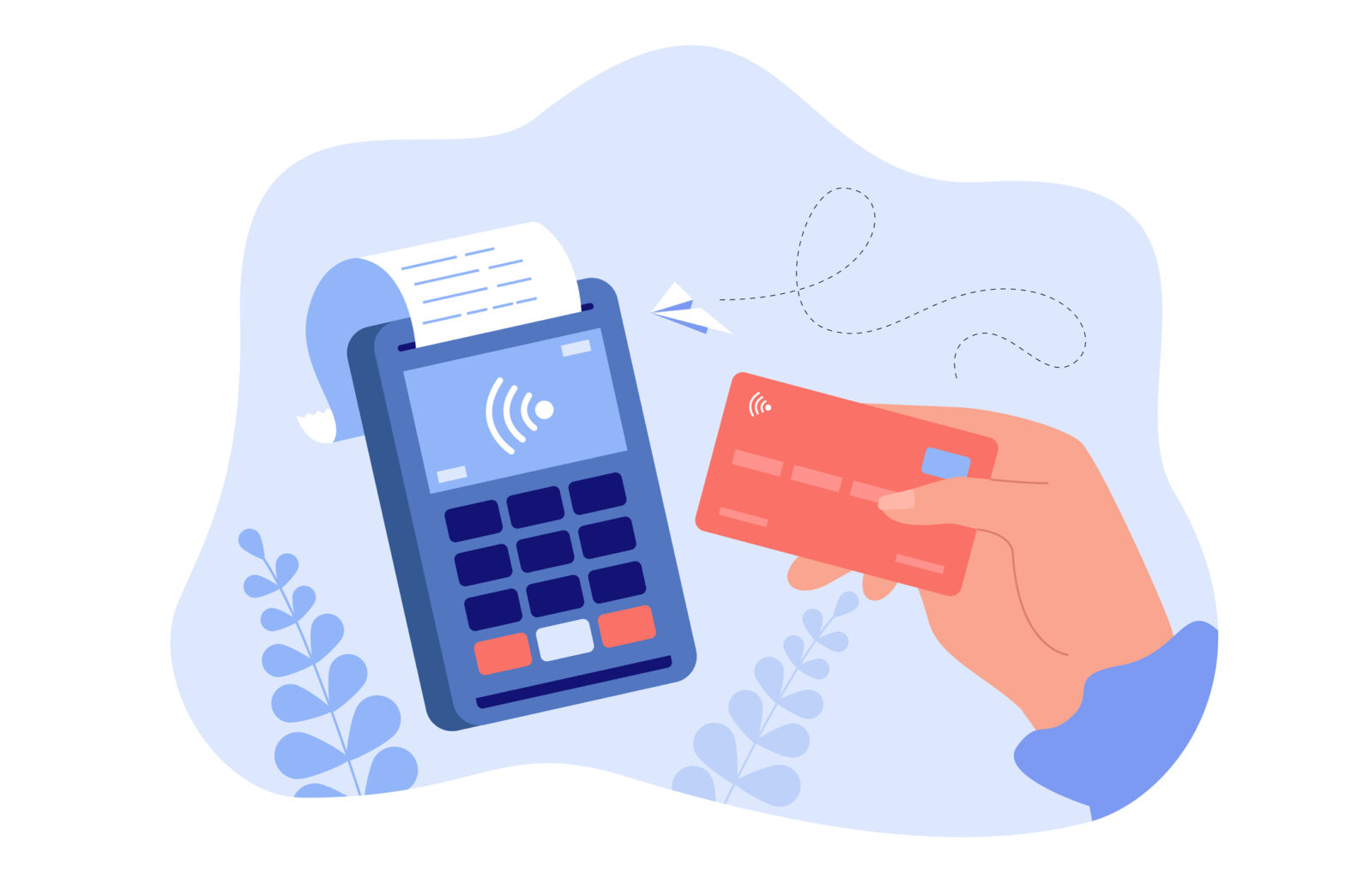

How you take payments is crucial for any small business. The shift away from cash to contactless continues to increase – according to the latest data from UK Finance, card payments accounted for 64% of all payments in the UK in 2024.
It used to be that taking card payments just involved renting a card reader, but today’s payment systems are seamlessly connected to your till, your inventory and even your bank account – which means you can even borrow money against real-time takings.
But where do you start if you want to take payments?
How can small businesses take payments?
Every small business today has to be equipped not only to take debit and credit card payments, whether it’s Visa, Mastercard or Amex, but also new smartphone payment wallets including Apple Pay and Google Pay, and even cryptocurrencies.
>See also: Flexible payment options for your customers
Best mobile payment app for self-employed
It’s not just businesses with fixed premises that have to take payments. In today’s contactless world, fewer people carry cash. Which means that any sole trader on the move has to be able to whip out their own card machine.
Payment devices you carry around with you have revolutionised how customers pay.
One of the great changes for the self-employed on the move, whether you’re a mobile hairdresser or a masseur or even running a food truck, has been the advent of contactless payment devices linked to your mobile phone.
Even better than the on-the-go convenience is that, unlike the old days of fixed payment terminal card machines, you don’t have to enter a constraining fixed-term contract. You just buy the machine, download the mobile app onto your smartphone and off you go. Mobile phone payment is via a fixed rate per transaction. Many providers now offer a tap-to-pay option, which transforms your smartphone into a card reader and requires no additional hardware.
Upfront cost vs cost per transaction
There are two parts to consider: the upfront cost of your mobile phone payment card reader and then the cost to you per transaction.
The card reader device can cost anywhere between £19 for a Square Reader up to £59 + VAT for the Shopify Wisepad 3; the cost per transaction ranges from 0.3 per cent plus a flat fee up to 1.75 per cent for Square and PayPal transactions. Some providers offer discounted rates to high-sales-volume businesses, so the more you take, the less you have to pay in transaction fees.
>See also: Best mobile phone payment for self-employed
Best payment apps for small businesses
With the number of payment methods increasing, there are many payment apps for small businesses to choose from. These payment apps are essential for small businesses and customers alike. With more consumers choosing to pay via contactless and suppliers invoicing online, businesses, no matter how small, need to be ready to process transactions.
Payment apps for small businesses – either payment gateway or point of sale (POS) – can be used to make bank transfers, mobile payments, online card payments and point of sale payments.
For retail businesses that are taking in more than £10,000 per month, it is best to use a payment app connected to a card reader.
>See also: Best payment apps for small businesses
Are there any free card readers for small businesses?
The short answer is no, but there are some lower-cost options out there. Cutting costs is a key consideration for small businesses given what’s been called the cost-of-business crisis.
When thinking about costs, consider your monthly fees along with your transaction fees, set-up fees and any other charges that may be hidden in the small print.
Related: Why your customers choose certain payment methods and what you can do about it
Cheapest card readers for your small business

Square Reader – A pocket-sized POS that accepts either chip-and-pin or tap-and-pay with device/card, the Square Reader costs just £19 upfront, with transaction fees at a low, flat rate of 1.75%.

The Tide Reader device is a little pricier than Square (currently £59 with promotion), but it’s an advanced, full-featured machine, and its transaction fees start from a very competitive 0.79% + 3p.

Takepayments doesn’t publicly disclose prices for its devices. However, it doesn’t charge setup costs, offers a range of readers, and its transaction costs are based on turnover and are estimated to be as low as 0.3% + flat fee.

myPOS Go 2 – The device costs just £30 with no ongoing monthly costs. Transaction fees start from just 1.1% + 7 pence.

Dojo Go – A lightweight machine with 10-hour battery life, Dojo Go’s card reader costs as little as £15 per month (if you take £100,000+ in sales per year, otherwise its £79 upfront). Transaction fees are an all-inclusive 1.2%, and there are bespoke rates based on card turnover
Tyl by NatWest – Tyl offers a range of highly functional and affordable card readers. Prices start from £13.99 per month for the device, and transaction fees are between 1.39% and 1.99% + 5p depending on sales volume.
Barclaycard Card Reader – Customised transaction fees and £18 per month rental make this a flexible and low-cost option for small businesses.

SumUp Air – The card reader costs £30 with no further monthly fees. Pay-as-you-go transaction fees are 1.69% or you can reduce your rate to 0.99% if you subscribe to the Payments Plus plan.

PayPal Reader – The ‘Tap to Pay on phone’ app requires no additional hardware, has no monthly fee, and transaction fees are 1.75%.
>See also: Are there any free card readers for small businesses?
Next steps
Find a payment provider today
Simply fill in the free merchant account quote form here and answer a few questions (it takes less than a minute).
Receive free quotes from suppliers that may meet your requirements
