

By 31 January 2027, the UK is to replace the analogue PSTN and ISDN phone services with digital phone services that use IP technology.
This will result in the loss of some analogue services such as standard landlines, older broadband services and fax machines. However, by making the transition as soon as possible, UK small businesses that haven’t already upgraded to IP telephony should quickly see its many advantages, including lower costs, improved reliability, and access to advanced communication tools that enhance productivity.
What is the Big Switch Off and why is it happening?
The Big Switch Off is simply the UK-wide transition from the UK’s analogue phone network, including PSTN and ISDN services, to digital services like VoIP.
The ageing copper wire network has reached the end of its usable lifespan. Suppliers no longer manufacture many of the parts needed to repair and maintain the existing system, resulting in unnecessary expenses and service incidents that affect businesses and domestic customers.
VoIP, which converts your voice into a digital signal and transmits it over the internet, has many advantages over its analogue predecessor, including:
- Better quality calls – VoIP can deliver clearer, more consistent audio than traditional analogue lines.
- Increased reliability – Digital calls are less vulnerable to faults, line degradation and weather-related disruption.
- Disaster recovery – Calls can be redirected quickly if your premises, internet connection or device is unavailable.
- Cost savings – Digital phone services are often cheaper to run and maintain than legacy systems.
- Advanced communication features – Tools such as call routing, video conferencing, voicemail-to-email and analytics can help teams work more efficiently and are better suited to the demands of hybrid and remote working.
- Improved scalability – It’s easy to upgrade your system with advanced features, and to add new devices, lines or users as your business grows and your needs change.
- Integration with other digital tools – VoIP can connect with platforms such as CRM systems to streamline workflows and improve productivity.
- Future-proofing – Moving to VoIP ensures your business is ready to embrace further developments in digital communications.

Virtual Landline’s cloud-based telephony service is one of the quickest and easiest ways to make the switch to digital. Simply choose a virtual number or port your existing business number, and gain the freedom and flexibility to make calls at anytime, anywhere.
- Choose from a range of memorable local, national, and freephone numbers
- Everything from single user to highly scalable multi-user business phone systems available to help growing teams collaborate
When is the Big Switch Off happening?
The Big Switch Off is scheduled to be completed by 31 January 2027. Beyond this date, the PSTN will no longer function.
BT has urged businesses to switch over to a VoIP communication system as soon as possible. Not only does this avoid any interruption and ensure a smooth, rather than rushed, transition, it also ensures your business can start enjoying the benefits of cloud-hosted communications.
Here is the Big Switch Off timeline:
- November 2017 – BT announces that it is to switch off the PSTN and ISDN in 2025.
- August-September 2023 – Providers phase out the sale of new analogue phone lines.
- May 2024 – BT delays the switch-off date to January 2027 to allow for a smoother transition for some customers.
- January 2027 – The PSTN network is switched off across the UK for good.
Business systems that could be affected
Any business system that relies on a PSTN or ISDN line will stop working unless it is upgraded or moved to an IP-compatible alternative, including:
- Landline telephones and associated numbers
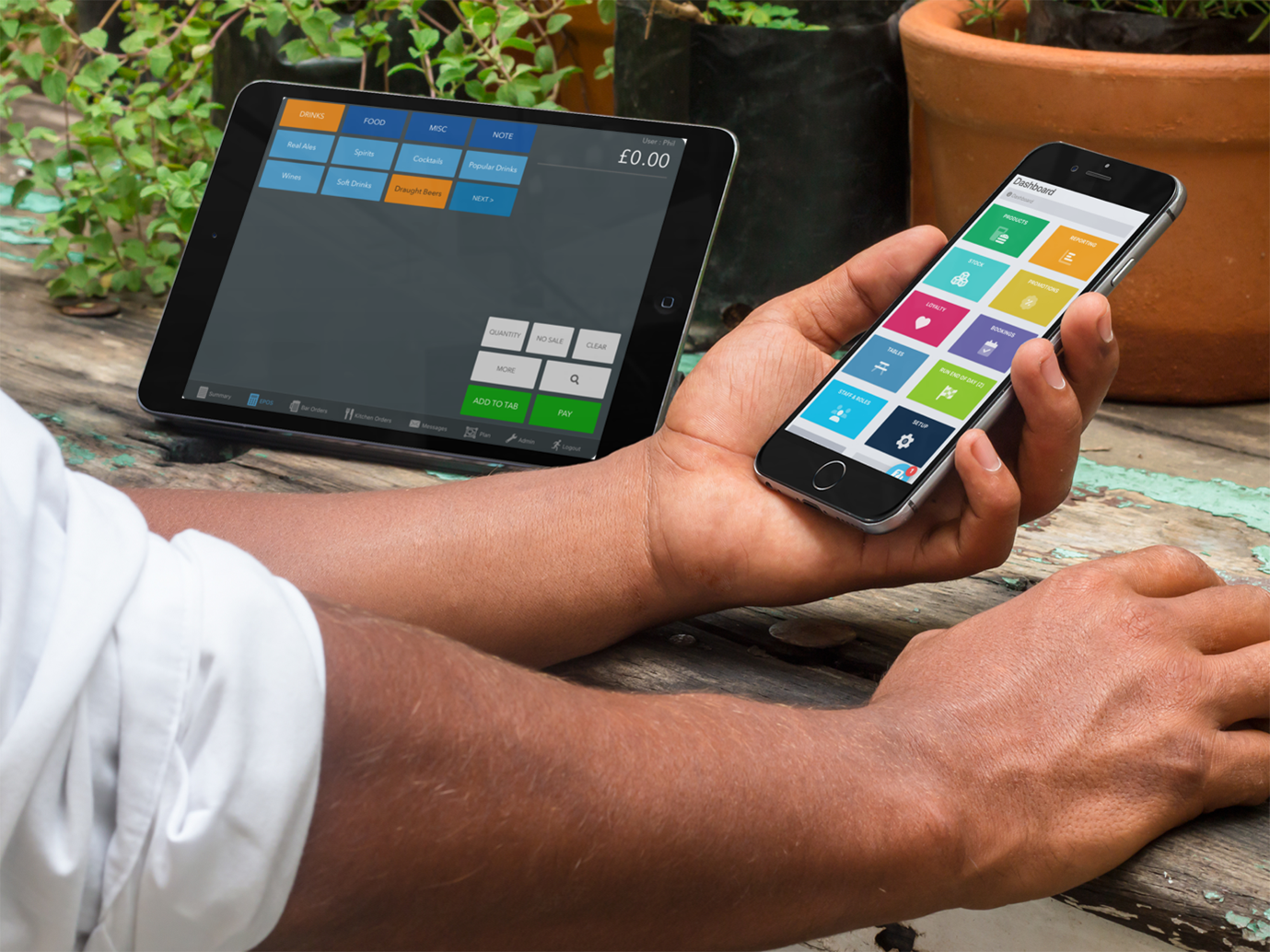
- Electronic Point of Sale (EPOS) payment terminals
- Alarms
- Fax machines
- Electronic door entry systems
- Older broadband services that depend on PSTN-based lines
- ISDN communication services
Upgrading to digital solutions
Don’t leave it until the last minute to transition. This is a great opportunity to audit your business’s communication needs and upgrade to systems that don’t just replace your existing setup like-for-like, but provide more capability and flexibility.
Here are the main areas to consider when replacing your existing setup:
VoIP phone services
Every business that still uses a traditional PSTN or ISDN phone line will need to move to a digital alternative before the switch-off. For most small businesses, that means adopting a VoIP-based service, which lets you make and receive calls over an internet connection rather than an analogue landline. It also allows you to make use of features like high-quality video calls, call routing and forwarding, and call recording and transcription, which can improve operational efficiency and productivity.
With a provider like Virtual Landline, you can keep your existing landline number by porting it. Once the switch is complete, you’ll be able to answer calls through mobiles, laptops or desk phones, giving you and your team much more flexibility.
Cloud-based telephony services
Hosted cloud services are managed online rather than through hardware kept on your premises. For small businesses, this can be useful because it reduces the need for expensive equipment, is easy to scale, and allows staff to make and receive business calls from mobiles, laptops or desk phones. It also gives you access to features such as call routing, voicemail, call recording and analytics without needing to manage a traditional office phone system.
Fibre broadband
Because digital calls are carried over the internet, you need to make sure your broadband is fast and reliable enough to handle your requirements. That could mean upgrading to fibre broadband or full fibre, especially if you also rely on cloud software, card machines, video calls or remote working tools.
How fast your broadband should be depends on your team size, how many calls you handle at once, and what else your connection is being used for. VoIP calls don’t usually need huge amounts of bandwidth on their own – around 80-100Kbps per concurrent call is a common rule of thumb – but call quality depends on having a stable connection with enough spare capacity, especially upload speed.
If you’re a sole trader or very small business using VoIP alongside email, web browsing and light cloud tools, a standard fibre connection of around 30-80Mbps may be enough. A larger business with several staff making calls at the same time, using video meetings, cloud software, file sharing and payment systems may need 100Mbps+, or even a dedicated business fibre connection.
What happens if you do nothing?
Here’s why you should upgrade sooner rather than later:
- Loss of phone service – Once the analogue network is switched off, you won’t be able to use your PSTN or ISDN phone lines to make or receive calls.
- Disrupted incoming calls – That means you could miss calls from existing or potential customers, damaging trust and potentially missing out on business.
- Higher costs – In an attempt to encourage customers to transition ahead of the switch-off, many suppliers have increased the price of legacy telecoms services. You could already be paying more than you need to.
- Issues with connected systems – Alarms, EPOS machines, door entry systems, CCTV, fax machines and other services that use analogue lines may also be affected.
- Rushed decision-making – Leaving the switch too late could mean less time to compare providers, test systems or train staff.
- Missed productivity benefits – Delaying the move means missing out on features such as call routing, voicemail-to-email, analytics and app-based calling.
Choosing a new communications provider
Choosing the right communications provider ensures your transition is seamless and successful. If you’re a sole trader, you may only need a virtual landline number, while growing teams may need a more robust cloud telephony system with call routing, apps and analytics.
The table below compares some top providers that offer digital communications solutions for UK businesses.
| Provider | How it helps with the Big Switch Off |
| Virtual Landline | Virtual Landline’s cloud-based solutions, including virtual numbers and office systems, make it easy to transition from analogue to digital, with low-cost, highly scalable plans for individuals and large teams. You can keep your existing landline number, or choose from local, national, and freephone numbers. |
| bOnline | bOnline’s VoIP solutions meet the digital communications needs of small businesses, with HD and video calls, call handling and management features. |
| RingCentral | RingCentral offers everything you need to move on from analogue, including voicemail, call routing, call recording, call transfer, call forwarding and auto-attendant, alongside messaging and video tools. |
| Vonage | Vonage’s cloud-based platform unites messaging, video conferencing and CRM integrations, with desktop and mobile apps that make it easy to deploy across a remote or hybrid working environment. |
Final checklist: How to prepare for the switch
There’s not long to go now until the Big Switch Off. If you aren’t already making plans to switch over to digital systems, use this checklist to ensure a smooth transition.
- Audit your current communication system – Review all phone lines, numbers, broadband connections and devices that may still rely on analogue services, including alarms, card machines, fax machines and door entry systems.
- Choose a new communications partner – Look for a provider that can support your business needs at a price point that matches your budget.
- Plan the switch and test your new system – Schedule the move at a time that minimises disruption, then test call quality, call routing, voicemail, apps, desk phones and any connected devices before fully relying on the new setup.
- Train your team – Make sure staff know how to make and receive calls, transfer customers, access voicemail, use mobile or desktop apps, and follow any new processes.
- Optimise your system – Once the new service is live, review call data, opening hours, routing rules and user permissions so your phone system works as efficiently as possible.
Get ready for the Big Switch Off with Virtual Landline. Discover how its range of cloud-based telephony services, including virtual numbers and virtual office systems, can help your business move smoothly to digital communications.