Advice on how to start your own business, with guides to help you plan, develop and finance a start-up company, plus recommendations on registering the business, its legal structure and finding financial backing for growth. Whether you are just beginning or have already taken the first steps and want to keep everything on track, our expert articles will give you the knowledge to help lead you to success, whilst maintaining a good work-life balance.
Starting a business can initially seem daunting, but with good support and a strong idea you can quickly pass through the key stages of the setting-up process and be able to launch your company with a solid foundation.
Topics covered include: regulations and requirements for company owners, finding and selecting the professional services you may need (such as banking, insurance, accountancy etc.), legal structure options (self-employed person, sole trader, a partnership or a limited company), business planning, UK start up funding sources and finding your first customers.
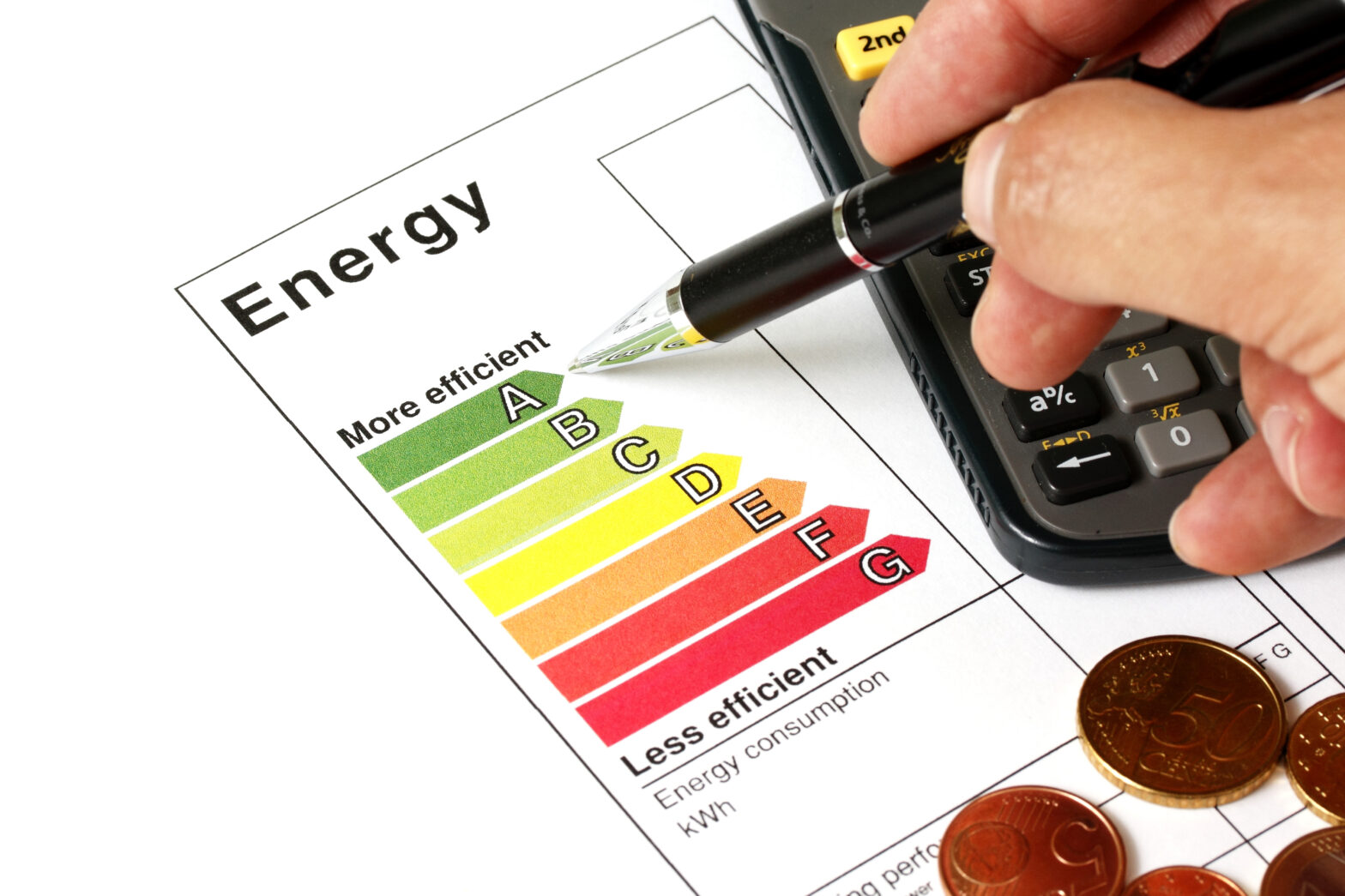
Here, in association with the Federation of Small Businesses, we speak to companies about the measures they are taking to be more energy efficient, not just for cost-saving purposes but also out of respect for the environment.
If you're facing a funding challenge, the thoughts outlined in this article by Kevin Lonergan should help you formulate a plan of attack that doesn't leave you bankrupt or burning the candle at both ends.
Lee Biggins was on a steep learning curve when it came to negotiating with suppliers for his early-stage business. Here, he discusses how he learned to get the best deal.
If you're facing a funding challenge, the thoughts outlined in this article by Kevin Lonergan should help you formulate a plan of attack that doesn't leave you bankrupt or burning the candle at both ends.
Lee Biggins was on a steep learning curve when it came to negotiating with suppliers for his early-stage business. Here, he discusses how he learned to get the best deal.
In Aviva’s latest SME research*, 57 per cent of employers surveyed agreed that nowadays employees expect benefits to protect against loss of income or earnings. What do you offer your people?