
- There are a few ways to earn money on Twitch.
- It can be tricky to earn a decent income, but like other social media platforms, building a loyal community will help you make more money.
- You can start streaming on your smartphone and upgrade your equipment as your audience grows.
You might have heard of Twitch, an online platform for live streaming video gameplay, creative activities such as art and cooking, or just hanging out and having a chat.
It’s not just a place for recreation, though. Streamers can make some serious coin if they have the right know-how.
According to statistics from Twitch, the platform paid out $1 billion to streamers in 2024. What’s more, over 105 million people visit every month and 2.5 million+ are tuning in to watch at any given time. While they’re on Twitch, viewers spent an average of 3.3 hours watching a broadcast in 2024.
Let’s get acquainted with some lingo.
Moderator (Mod): A trusted community member chosen by the streamer to help manage the chat. They keep conversations and the community safe, with the ability to ban or time out rogue or nasty viewers.
Chat: The real-time conversation similar to what you’d see on other platforms. It’s where fans ‘Cheer’ with Bits, gift subs, and trigger community events like Hype Trains. Chat is a major financial driver on Twitch.
We’ll be delving into Twitch as a platform and how to start – or expand – your business by using it. Learn from two popular UK streamers: Lydia Violet (lydiaviolet) and Ethan Pink (Fifakillvizualz).
Read on for the full guide or go straight to your favourite section.
- 5 ways to monetise on Twitch
- How to stream on Twitch
- More streaming tips
- Lydia Violet (lydiaviolet)
- Ethan Pink (Fifakillvizualz)
5 ways to monetise on Twitch
Twitch monetisation tools are custom-built for live streaming and real-time engagement. Twitch wants to maximise how much income streamers can earn by gaining new viewers and encouraging their existing community to support through new products and experiences that are interactive and fun.
Subscriptions (Subs): Monthly channel subscriptions viewers buy for perks such as ad-free viewing and custom emotes to use in chat. There are many programmes and initiatives help streamers earn more from subs on Twitch.
Bits: A Twitch virtual good used to Cheer (send highlighted messages in chat) or send a Power-up (a message effect).
Ads: Streamers can run video, display, and audio ads for all manageable via the Ads Manager. Both partners and affiliates can automatically earn 55 per cent net ad revenue by running at least three ad minutes per hour. Twitch is continuing to improve how streamers earn from advertisers on Twitch, so that it’s easier and more flexible for streamers to run ads and ensure they fit seamlessly into live content.
Sponsorships: Twitch wants to bring sponsorship opportunities directly to creators. Creator Profiles, for example, makes it easier for streamers to let brands know they are interested in collaborating, and in turn, helps brands discover creators to work with.
Interactive incentives: These encourage streamer support, including global sitewide promotional events (such as SUBtember) and Hype Trains. Streamers can launch their own promotions.
How to stream on Twitch
At the very least, you need a stable internet connection and a video encoder. For the uninitiated, a video encoder can be a physical device like a gaming console or software such as the Twitch Studio, the Twitch app or Open Broadcaster Software (OBS). OBS Studio is open software if you’re not in a position to fork out anything extra. Others such as Restream Studio will involve payment upfront.
As for the good-to-haves, a webcam of at least 1080p with some kind of auto-focus feature will boost the viewing experience. A ring light will let your audience see you and an external microphone will greatly improve sound quality for your viewers, encouraging them to stick around for longer.
On the platform itself, you can activate alerts to let you know about new viewers and subscribers.
And just like you’d structure a video or blog post, so too must you structure a Twitch stream. Have a plan before you go in so that you can keep the energy up during a potentially hours-long session. We’ll be talking about this with Lydia in just a moment.
More streaming tips
It’s not just a question of what you stream, but when you stream. If you have the luxury of a late night, 11pm appears to be a lucrative time to stream. That way, you can draw in audiences from other parts of the world such as the USA. Traffic may slow at around 1am.
The average Twitch stream is around 2-3 hours long and to make any headway you’ll be expected to be streaming for two days a week minimum. Give enough time for regulars to get notified and make their way over to your channel – to get the maximum viewership, people can stream for anywhere up to seven or eight hours. There’s no upper limit on the length of streaming time the platform allows.
That’s enough from us; it’s time to learn from the experts.
Lydia Violet (lydiaviolet)
https://www.twitch.tv/lydiaviolet
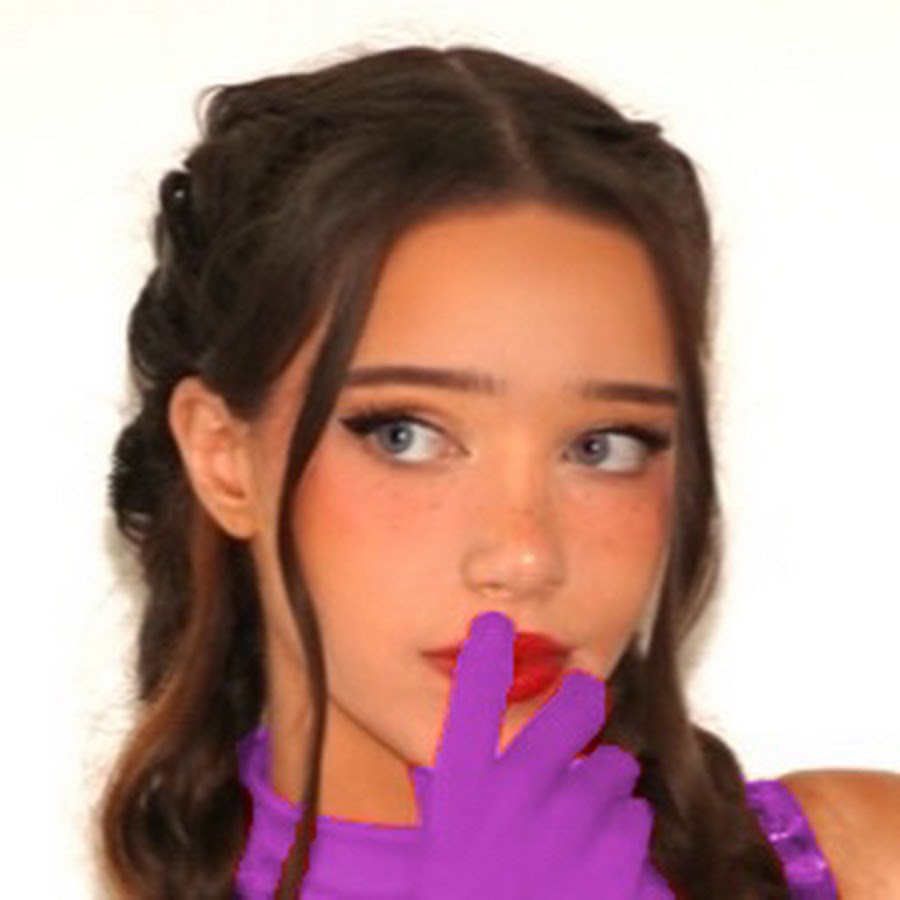
Lydia didn’t know much about Twitch when she first got into it. It was the summer between school and university when she went live – and absolutely loved it.
She went live the next day and the next day and the next day. It got to the point where she asked her university if she could take a gap year to pursue streaming. After asking for a third gap year, the university said ‘No, you can’t take a third gap year. You have to just turn down your place.’
She couldn’t pass up on the opportunity to be a streamer and that’s how her channel came to be.
Which stream did you start with?
Originally, I wanted to be a League of Legends streamer. I started when I was away from home, so I wasn’t at my desk set-up. I literally went live on my phone, just chatting. But then I really wanted to play League. As soon as I got back, I started playing it. It turns out I’m so addicted to League.
How has your experience shaped your strategy on the platform?
I think it’s much more about creating a community and enjoying yourself than having a strategy.
I know when people are getting started, some people like to look at what games are popular or what games are new or how many people are in certain categories.
Ultimately, people are going to watch you for you and for your personality, and I think that counts for so much more than the specific game that you’re playing.
Try and play something that you like and you’re having fun with. If you get bored of something, don’t feel like you need to play it just for the views.
IRLs (in real life) are in at the moment, so it’s people that stream walking around with each other. That’s what a lot of the big streamers are doing at the moment. Different things go in and out of fashion.
It’s important to cultivate community of people that enjoy the same things as you, right? If I find it fun, then there are going to be other people that probably find it fun.
What equipment do you use and how has that evolved over time?
I have a one-PC set-up. I know a lot of people have two-PC set-ups. I have a big camera, I think it’s a Sony Ace A600. I started on my phone, so now I have a much bigger set-up.
Most people probably wouldn’t want to do exactly what I do because I have quite a long lens, which means I have my desk in the middle of the room. I like it. It’s different.
Honestly, it’s probably a disadvantage. It’s much simpler to go on your phone or go on a webcam. To anyone starting out, do that first.
No one’s going to start watching you because you have a crisp, clear camera. People are going to watch you because you’re excited to go live and you’re having fun and you have an amazing community.
How often per week do you stream?
It varies. I streamed six days last week, seven days the week before, but honestly, most of the time it’s fewer, more like four.
I think the key to streaming is consistency. Normally, you go backwards if you have a long break. Streaming four days a week is way better, in my opinion, than streaming seven days a week for three weeks and then having a week off.
Whatever you do, keep it consistent and have a schedule so your community knows when you’re going live.
What time do you typically stream and does that vary depending on what category you’re streaming on?
I normally go live at 5pm GMT. Most viewers are on Twitch at 9pm GMT. I peak in the middle of my stream, which I find beneficial to me. I also have a quite big European audience – it’s nice because it gets the European evening and the American morning.
It also just suits me. If I didn’t like streaming at that time, I would change it. The time doesn’t really vary for what I’m doing. Unless I have a specific tournament or something, I would just go live at my normal time. Everyone’s optimal time is different based on where their audience is and how long they’ve been streaming for.
Luckily, my optimum’s pretty good because I have a pretty equal number of Americans and Europeans. So, mine’s a lot more bearable.
You’re very much the brand. How does that influence how you create titles or descriptions, or where you post?
I don’t think many people are clicking on a stream because it’s got a crazy title. I like to use all caps.
My mods put emojis in and have stand-out colours, for example, which might be a bit more eye-catching. But I don’t think it makes that much of a difference, honestly, in the grand scheme of things.
I normally just say what I’m doing now and then my plan to stream later. In terms of telling people when I’m live, I think there are definitely different audiences on different platforms.
There are people who watch Twitch, and stick to that platform. My Twitch community knows when I go live. Most people on Instagram are going to think it’s spammy if I’m constantly posting that I’m live. If I have a crazy stream or something really cool is happening on stream, then I’ll post it. Most of the time it’s finding people on Twitch instead of bringing people over [from other platforms], because it’s much harder to bring people over than allow people that are already watching Twitch to find your stream.
Twitch viewers already are much more likely to stay in your community than a TikTok viewer, for example.
How long is your average stream?
Around six or seven hours. It’s fun. There are no breaks in it, though I run to the toilet maybe once. I think you get used to it. If I came out of school and, all of a sudden, I did a seven-hour stream, I never would have been able to have high energy for that entire time.
It’s like a muscle. The more you do it, the easier it becomes. So now it’s easy for me. I don’t even think about it.
What tips do you have to get through a long six or seven-hour long stream?
- Don’t have a high-carb meal beforehand, make sure your blood sugar levels are good. I like to have an apple juice or a juice that I’m drinking throughout the course of the stream. If I feel lethargic, it’s because I like I’ve had a big meal followed by a slump.
- I think it’s really helps to have a chat that you can be looking at. I know it’s hard in some games to look at chat. Just know that it becomes so much easier once you have a few people that are already there, because then you can bounce conversations off them and they can they think of things too and that really helps.
- I have a stream plan. Every single day I have a whole list of things I want to talk about on the stream. I’d be very intimidated knowing that I’m going live for seven hours to thousands of people and I don’t know what I’m doing.
- Although having a plan is good, being fluid and being able to change it is also very important.
How do you deal with negative comments, haters, etc.?
This year has definitely been the hardest for me in terms of negative comments. I’ve never really had that experience before because, now it’s on other platforms, there are people talking about my stream in other places, which didn’t happen when I was smaller.
When I was a smaller streamer, if there was someone that wasn’t very nice, they would just get banned by my mods and I would never even see the comment.
When you’re a smaller streamer, it’s really important to let mods know what you’re okay with and set boundaries. Then your mods will be able to filter out the comments that you don’t like.
Besides, who writes hate comments? Who sits there writing mean comments about someone else? They’re clearly just not happy in their own life.
How do you find mods?
Mods are the people in your chat who you give the role of mod to. From there, they can ban people, they can time people out, so they’re people that you really need to trust. When you’re getting started, it is difficult to know who to trust. I have years of logs that I can track to see who’s nice and who’s not.
You will maybe make a few mistakes with who you mod at the beginning and that’s okay. Some of them will stay and become lifelong friends. I love my mods so much. I would say my best friend is one of my mods.
Any other last tips and tricks for newbie streamers?
I do a lot of collabs which really helps, though I think you should never use anyone to gain viewers by collaborating with them. But if you genuinely like the person and you just want to hang out with them, then I think it is a really good way to get yourself seen by their communities.
Ethan Pink (Fifakillvizualz)
https://www.twitch.tv/fifakillvizualz

Ethan Pink, also known as Fifakillvizualz on Twitch, started early at the age of 14. His love of Fifa got him into Twitch, but these days, he’s playing Call of Duty and Warzone. He sometimes earns five figures a month through a mix of streaming and competitions.
When did you start streaming on Twitch?
I started streaming on Twitch when I had just turned 14. I had always been an avid gamer and my dad, also a huge gamer, felt as though people would watch me as I was so good. I doubted it as first and felt as though, because he thought I was better than him, I must be the best. I guess he was right!
How did you get started?
I got started quite young (youngest Twitch partner ever at the time) doing a team challenge on Call of Duty with a big clan of streamers/ Youtubers. I was very young for good players at the time and ended up winning a big event with many creators which gave me a good kickstart.
How often do you stream?
I stream every single day, seven days a week, usually for 8-12 hours. It seems like a lot, but I love it so the time flies – even ten years into my career.
When do you stream?
I typically start my stream around 10am UK time and continue until around 8pm. I do also compete in Call of Duty Warzone tournaments and sometimes have to play very late into the night to align with American time schedules/tournaments. Definitely worth it as I won the world championship this past year!
What equipment do you use?
I stream using two top-of-the-line PCs which are connected. Gaming with one PC and streaming with the other to maximise the quality on each. I began using much more primal tech back in the day but as income and viewership increases you try to level up in-line with that.
How much do you earn on Twitch?
I earn five figures some months, but streaming income fluctuates highly. December months are very high earning due to Christmas period advertisement revenue and consumerism, whereas January is very low. I also make money from tournaments, clocking earnings around $500,000 in the five years competing so far (6th highest in the game I play, highest in Europe).
How do you optimise videos, titles, descriptions, etc. to boost viewership?
I always try to push myself and invent challenges nobody has done or even thinks are possible. People see what I’ve attempted and have to look for themselves. Being ranked as one of the best players also helps highly. I try to make sure I sleep very well and avoid mental stresses and distractions during the stream and prioritise my energy so that the content is more fun to watch! Being consistent is the biggest factor in my opinion, though.
Read more
How to create a YouTube channel for your small business – Before you jump in and start creating content for your channel, you need to create a YouTube account for your small business. Here’s how
Your 4-step guide to setting up an Instagram business account – In partnership with The UK Domain, we explain the four steps you need to take to set up your Instagram business account
A guide to social media strategy for small business owners – In partnership with the UK Domain, we present this guide to social media strategy to help your small business grow